
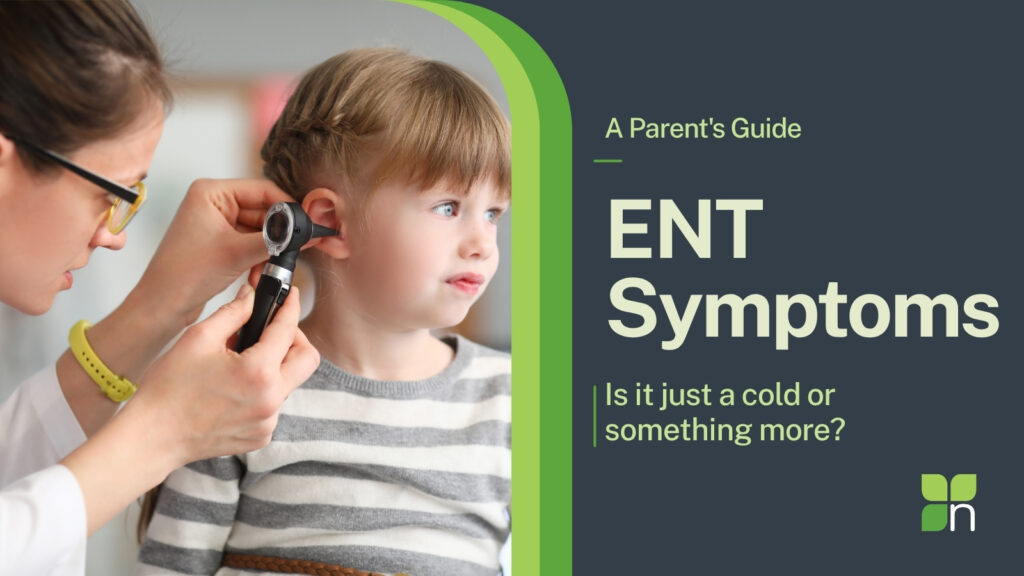
What Parents Should Know About Ear, Nose, and Throat Symptoms in Children
Ear infections, sore throats, congestion, and lingering coughs are some of the most common reasons children miss school or visit a health care provider. For parents, the hard part is not just dealing with symptoms, but figuring out what is normal, what can wait, and what needs attention.
This guide breaks down the most common ear, nose, and throat (ENT) concerns in children, what they usually mean, and how to know when it is time to seek care.
At NUNM Health Centers, pediatric ENT care is shaped by both clinical experience and years of teaching. As Richard Barrett, ND, explains, “Pretty much every week in clinic, there is an ENT case. It is one of the most common things we see in children.”
Why Kids Get So Many ENT Infections
There are two main reasons children experience frequent ear, nose, and throat issues.
The first is anatomy. In young children, the Eustachian tube is shorter and more horizontal than in adults. This makes it easier for fluid and bacteria and viruses from the back of the throat to reach the middle ear.
The second is immune development. Children are still building immune memory, which means they are encountering many viruses for the first time. Daycare, school, and group activities increase exposure.
As Dr. Barrett puts it, “Kids are just going to have more exposure. Their immune systems are still learning, and daycare or school adds a lot of contact with common viruses.”
The Most Common ENT Problems in Children
Most pediatric ENT concerns tend to stem from a small group of common, often overlapping conditions, many of which are linked to colds, lingering congestion, or seasonal changes. Ear infections are by far the most frequent, often developing after a cold. When congestion persists, it can lead to sinus infections, while sore throats are typically viral. Seasonal allergies can also play a significant role, contributing to ongoing congestion and throat irritation.
Dr. Barrett summarizes it simply: “It is ear infections, ear infections, ear infections, followed by sinus infections and frequent colds. Allergies are also a big part of what we see.”
Ear Infections: Signs Parents Should Look For
Ear infections are not always easy to recognize, especially in younger children.
Common signs include:
- Irritability or fussiness
- Trouble sleeping
- Reduced appetite
- Low-grade fever
- Ear tugging (not always present)
Dr. Barrett notes, “Any child with that group of symptoms should have their ears examined. Sometimes it is an infection, and sometimes it is not.”
This is important because not all ear pain or fever means a bacterial infection, and treatment depends on an accurate diagnosis.
Sore Throat or Strep Throat?
Most sore throats in children are caused by viruses. These usually come with a runny nose or cough and improve within a few days.
Strep throat tends to look different. It may include:
- Higher fever
- No cough or runny nose
- Significant pain when swallowing
- Sudden onset of symptoms
Dr. Barrett explains, “With viral infections, you often see a runny nose or cough. With strep, those are often not present, and the throat pain is more intense.”
Because strep can lead to complications if untreated, testing is recommended when symptoms suggest it.
When a Cold Might Be a Sinus Infection
Most colds improve within a few days. If symptoms last more than 7 to 10 days without improvement, or worsen after initially getting better, a sinus infection may be more likely.
Other signs include thick nasal discharge, facial pressure, and coughing caused by postnasal drip.
Dr. Barrett explains, “If it is going on 10 days or more, especially with coughing from drainage, that is often when we start thinking about sinus infection.”
Nutrition and immune support in everyday life
One of the most consistent themes in pediatric ENT care is the role of nutrition in immune health and inflammation.
Dr. Barrett emphasizes that what children eat can influence how often they get sick and how strongly they respond to infections. “We do a lot of coaching around diet because it can make a real difference in how frequently kids get these infections,” he explains.
In general, supportive nutrition includes:
- A diet lower in added sugar and highly processed foods
- More whole foods that support immune function
- Plenty of hydration to keep mucus thin and easier to clear
- Foods that support gut health and the microbiome
The goal is not perfection, but reducing dietary patterns that may increase inflammation while supporting the body’s natural defenses.
In some cases, clinicians may also recommend specific nutrients such as vitamin C or zinc, especially during early illness or periods of frequent infection.
As Dr. Barrett notes, “Simple things like reducing sugar and supporting nutrition can help the immune system do its job better.”
What parents can safely do at home
Many mild ENT symptoms can be supported at home.
Helpful options include:
- Plenty of non-sugary to thin mucus
- Steam inhalation for congestion relief
- Rest during acute illness
- Nutrition that supports recovery, especially lower sugar intake during illness
Dr. Barrett keeps it simple: “Just drinking more water helps a lot. It thins secretions and supports recovery.”
When it’s time to get care
It is a good idea to seek medical evaluation when:
- Symptoms last more than 7 to 10 days
- Fever is high or persistent
- Pain is significant or worsening
- A child is not eating, sleeping, or acting like themselves
- Breathing or energy levels are affected
Dr. Barrett encourages parents to trust their instincts: “If a child seems really ill at the beginning, or things are not improving, it is worth having someone take a look.”
How NUNM Health Centers approaches care
Care at NUNM Health Centers combines careful examination with evidence-informed treatment and individualized plans.
Depending on the situation, care may include:
- Watchful waiting and supportive care
- Nutritional or botanical support
- Antibiotics when clearly indicated
- Lifestyle guidance to reduce recurrence
Dr. Barrett explains, “We are not afraid to use antibiotics when they are needed, but we also avoid them when they are not likely to help.”
The bottom line
ENT symptoms are a normal part of childhood. Most are mild and resolve on their own, but nutrition, hydration, and early supportive care can play an important role in how often they occur and how quickly children recover.
As Dr. Barrett says, “Most of what we see is self-limited, but knowing when to examine, when to test, and when to treat makes a real difference.”
For more pediatric health insights from NUNM clinicians, explore our blog for ongoing guidance on children’s health, immunity, and integrative care.